When should you schedule an oil change based on mileage or time?
How to set oil change intervals using both mileage and time so no vehicle slips through either gap.
Schedule oil changes on both mileage and time, using whichever comes first. A busy truck hits the mileage mark quickly, while a low-use vehicle may not reach it for months yet its oil still degrades with age. Shorten intervals for severe-service duty and track both triggers per vehicle.
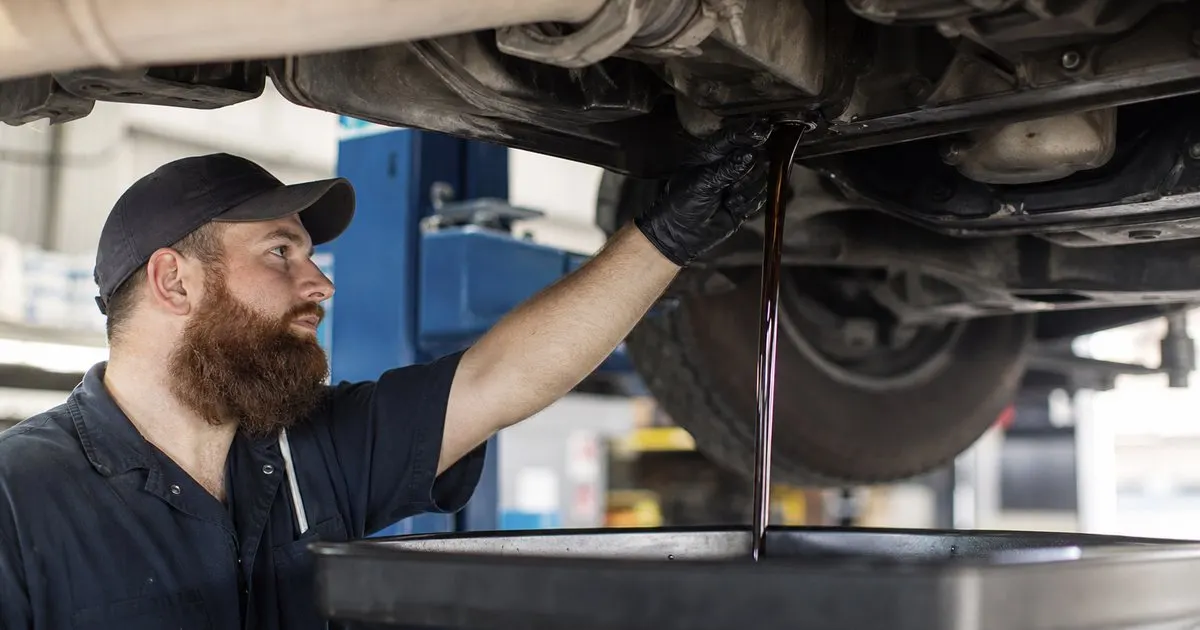
Use whichever comes first
Oil changes should be scheduled on both mileage and time, whichever arrives first. A high-mileage vehicle hits the mileage mark quickly, while a low-use vehicle may not reach it for a long time, yet its oil still degrades with age. Servicing on whichever limit comes first covers both cases.
This dual trigger is why a single rule fails. Going purely by mileage neglects the vehicle that sits, and going purely by time over-services the one racking up miles. Both limits together keep every vehicle covered. Related: What is the best way to log service history for every fleet vehicle?
Keep reading: How do you schedule preventive maintenance by mileage across a small vehicle fleet?, What is the best way to log service history for every fleet vehicle?, Why does preventive maintenance save more money than waiting for breakdowns?. See how FleetTendr helps you preventive fleet maintenance scheduling and logs.
Do not forget the low-use vehicles
The vehicle most likely to slip through is the one that is not driven much. Because it never hits the mileage mark, it can go far too long on the same oil, which breaks down over time and with condensation regardless of miles. A time-based limit catches this vehicle that mileage alone would miss.
Spare vehicles and seasonal equipment are classic examples. They may sit for months, and without a time trigger their oil quietly ages past where it should have been changed.
Account for how the vehicles are used
Duty cycle shortens the right interval. Vehicles that idle heavily, make short trips, tow, or work in dust or extreme temperatures fall under severe-service conditions and need more frequent changes than the base schedule. Setting intervals means honestly assessing how hard each vehicle actually works. Related: Why does preventive maintenance save more money than waiting for breakdowns?
Many fleet vehicles live in severe-service territory. Delivery routes full of short stops and idling are harder on oil than steady highway miles, so leaning toward the shorter interval is often the safer call. Related: What should a fleet owner do when a vehicle misses a service interval?
Track both triggers automatically
Watching both a mileage mark and a time limit across a fleet is exactly the kind of tracking that gets missed by hand. It is easy to catch the mileage on a busy truck and forget the calendar on a quiet one. A system that tracks both triggers per vehicle removes that gap. Related: How do you schedule preventive maintenance by mileage across a small vehicle fleet?
FleetTendr sets oil change intervals by mileage or time and reminds you on whichever comes first, so the busy trucks and the low-use vehicles both get their oil changed on schedule instead of one slipping through the trigger the other rule would have caught.
- Schedule oil changes by mileage or time, whichever is first.
- Time-based limits catch low-use vehicles mileage misses.
- Shorten intervals for severe-service duty cycles.
- Track both triggers per vehicle automatically.

Julien Jimenez
Julien Jimenez is an independent software builder based in Paris. He designs, ships, and operates focused SaaS products for small businesses and independent professionals. Read the full author page.
Frequently asked questions
Which vehicles slip through a mileage-only rule?
The low-use vehicle. Because it never hits the mileage mark, it can go far too long on oil that breaks down with age and condensation. Spares and seasonal equipment are classic examples a time-based limit catches.
What counts as severe-service use for oil changes?
Heavy idling, short trips, towing, and working in dust or extreme temperatures all fall under severe service and shorten the right interval. Many delivery routes full of short stops and idling live in this territory.
Service Every Vehicle On Time
Preventive fleet maintenance scheduling and logs. FleetTendr is built to help you put this into practice.
Start free trialMore from the FleetTendr blog

How do you schedule preventive maintenance by mileage across a small vehicle fleet?

What is the best way to log service history for every fleet vehicle?
Why does preventive maintenance save more money than waiting for breakdowns?
Get the FleetTendr playbook
Practical guides on fleet maintenance software, straight to your inbox as we publish them. No spam, unsubscribe any time.