How do you schedule preventive maintenance by mileage across a small vehicle fleet?
How to set mileage-based service intervals and keep them on track as vehicles rack up miles at different rates.
Start by setting mileage intervals from each vehicle's maintenance schedule and duty cycle, then capture every vehicle's odometer regularly since they accumulate miles at different rates. Schedule each service before the vehicle passes its mark, and let reminders watch mileage against intervals so nothing slips across the fleet.

Set intervals from the maintenance schedule
Mileage-based maintenance starts with the intervals each vehicle actually needs, drawn from the manufacturer's recommended schedule and your own experience with how hard the vehicles work. Oil, filters, tires, brakes, and fluids each have their own mileage marks, and mapping those out per vehicle type gives you the plan to schedule against. Related: When should you schedule an oil change based on mileage or time?
Severe-duty use shortens those intervals. A van that idles all day, tows, or runs short stop-and-go trips wears faster than the standard schedule assumes, so a small fleet often needs tighter intervals than the base recommendation. Related: Which inspections should a small fleet run before every long haul trip?
Keep reading: What is the best way to log service history for every fleet vehicle?, Why does preventive maintenance save more money than waiting for breakdowns?, When should you schedule an oil change based on mileage or time?. See how FleetTendr helps you preventive fleet maintenance scheduling and logs.
Track mileage per vehicle
Scheduling by mileage only works if you know each vehicle's current odometer reading. Vehicles accumulate miles at very different rates, so a service due at a mileage mark could arrive in a month for a heavily used truck and half a year for a spare. You have to capture mileage regularly to know when each one is due.
The practical challenge is keeping those readings current without a telematics feed. That means capturing the odometer at fuel-ups, services, or on a routine, so the mileage in your records reflects reality rather than a number from weeks ago.
Get ahead of due dates
The goal is to service a vehicle before it passes its interval, not after. That means watching for vehicles approaching a mileage mark and scheduling the work while there is still a buffer, so a busy week does not push a service past due and into risk. Reacting only when a mark is already blown is how intervals slip.
A little lead time also lets you plan around the fleet's workload. Servicing a vehicle during a slower stretch, rather than yanking it off a job when it is already overdue, keeps both the maintenance and the operation on track. Related: Why does preventive maintenance save more money than waiting for breakdowns?
Let reminders watch the odometer
Across even a handful of vehicles, tracking who is due by mileage in your head or a spreadsheet gets error-prone fast, and a missed interval can mean a breakdown. The reliable approach is a system that watches each vehicle's mileage against its intervals and tells you what is coming due.
FleetTendr tracks each vehicle's mileage against its service intervals and reminds you before work is due, so preventive maintenance gets scheduled ahead of the mark across the whole fleet instead of slipping because someone lost track of the odometer. Related: What is the best way to log service history for every fleet vehicle?
- Set intervals from the maintenance schedule and duty cycle.
- Capture each vehicle's mileage regularly.
- Schedule service before a vehicle passes its interval.
- Use reminders to watch mileage across the fleet.

Julien Jimenez
Julien Jimenez is an independent software builder based in Paris. He designs, ships, and operates focused SaaS products for small businesses and independent professionals. Read the full author page.
Frequently asked questions
Should severe-duty vehicles use shorter intervals?
Yes. A van that idles all day, tows, or runs short stop-and-go trips wears faster than the standard schedule assumes. Severe-duty use shortens the right interval, so a hard-working fleet often needs tighter marks than the base recommendation.
How do you keep odometer readings current without telematics?
Capture the odometer at natural moments such as fuel-ups, services, or on a set routine. That keeps the mileage in your records close to reality rather than a number from weeks ago that throws off scheduling.
Service Every Vehicle On Time
Preventive fleet maintenance scheduling and logs. FleetTendr is built to help you put this into practice.
Start free trialMore from the FleetTendr blog

What is the best way to log service history for every fleet vehicle?
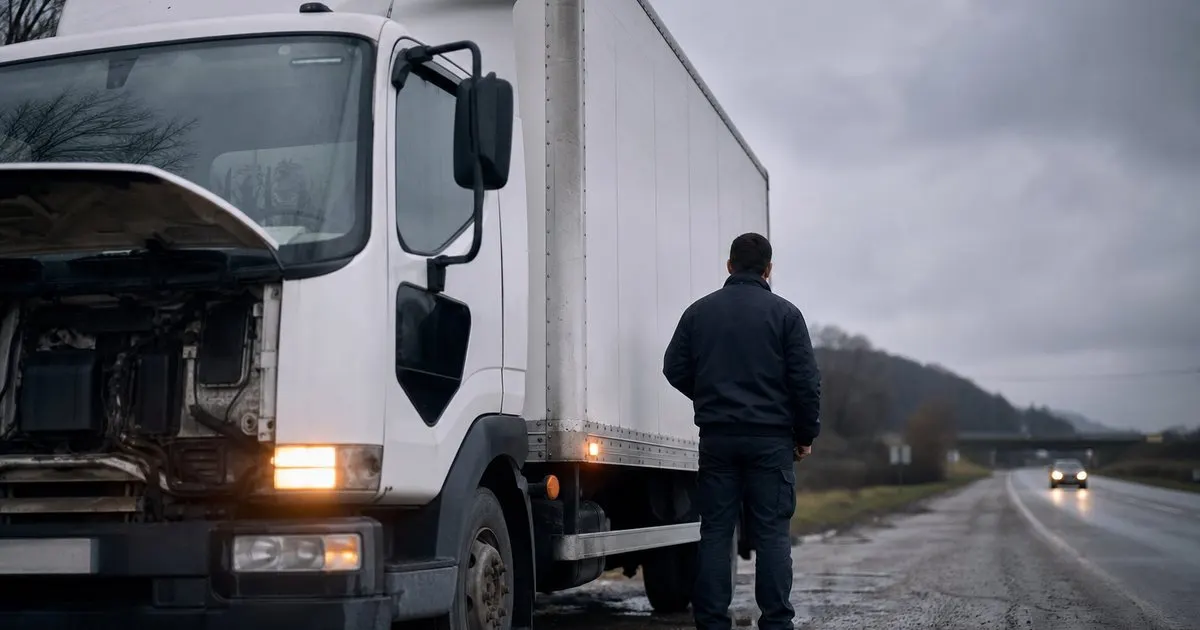
Why does preventive maintenance save more money than waiting for breakdowns?
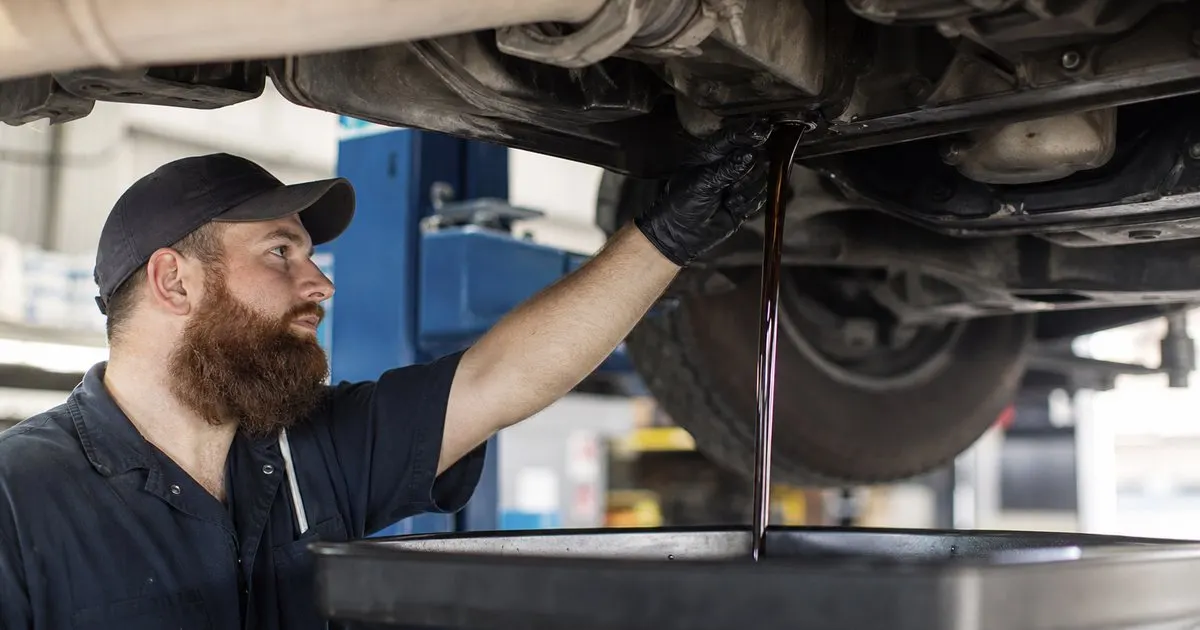
When should you schedule an oil change based on mileage or time?
Get the FleetTendr playbook
Practical guides on fleet maintenance software, straight to your inbox as we publish them. No spam, unsubscribe any time.