Why does a small fleet lose money on repairs that were still covered under warranty?
Coverage on a work truck almost never ends on one clean date, so repairs get paid out of pocket that a five minute check would have covered. Here is where the money leaks and how to close it.
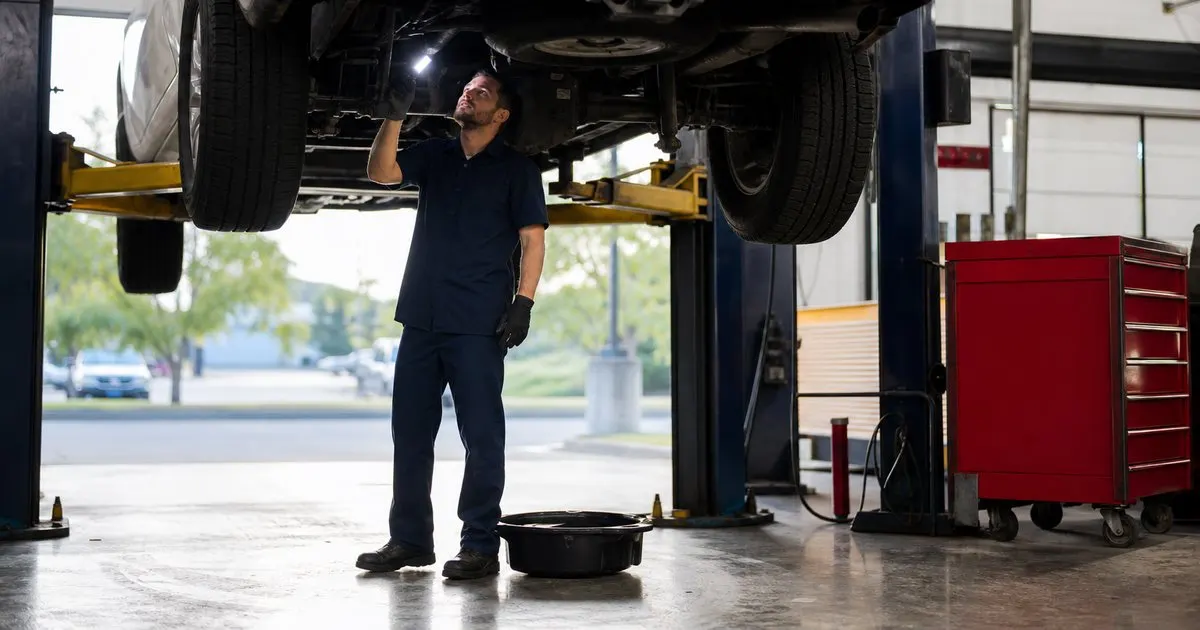
Coverage does not end on one clean date
Most owners think of a vehicle as in warranty or out of warranty, as if there were a single switch. There is not. A typical work truck carries several overlapping terms that run on separate clocks. The basic coverage is usually the shortest in both months and miles. Powertrain coverage on the engine, transmission, and drive components normally runs longer. Emissions related components on many vehicles sold in the US carry their own required terms that can outlast both. Corrosion and perforation coverage is separate again. If the truck was upfitted, the service body, liftgate, crane, ladder rack, or refrigeration unit carries a warranty from whoever built and installed it, on its own schedule. Tires are typically handled by the tire maker, not by the vehicle warranty at all.
Those clocks also do not start where people assume. They start at the in service date, which is when the vehicle was first put into use, not the day it landed on your books. That distinction matters most on used trucks, because the balance of the original coverage often travels with the vehicle. A three year old truck you bought last spring can easily sit outside its basic term while still being inside powertrain and emissions coverage. Fleet vehicles also burn the mileage clock far faster than the calendar clock, so two trucks bought the same week can be in completely different positions eighteen months later. Nobody can hold that in their head, which is exactly why it gets skipped. Related: When should you schedule an oil change based on mileage or time?
Keep reading: How do you schedule preventive maintenance by mileage across a small vehicle fleet?, What is the best way to log service history for every fleet vehicle?, Why does preventive maintenance save more money than waiting for breakdowns?. See how FleetTendr helps you preventive fleet maintenance scheduling and logs.
The repair happens before anyone thinks about coverage
The pattern is always the same. A truck goes down mid route, the driver calls, you tell him to get to the closest shop that can take him, the shop finds the failed part and quotes it, you approve because the job has to run tomorrow, and the invoice gets paid. By the time it reaches the books two weeks later, the truck is two hundred miles away and the old part is in a scrap bin. Nobody ever asked whether the failure sat inside a coverage window. The same thing happens on planned work. A shop quotes a water pump, you approve, and only later does someone remember that the same pump was replaced about a year ago, quite possibly inside the parts and labor warranty the shop itself offered on that job.
The fix is a thirty second step at approval, not a new policy binder. Before authorizing any repair above a threshold your team sets, check two things. Is this vehicle inside any factory coverage window right now, and has this component been replaced before on this vehicle. Both are lookups, not judgment calls, provided the data lives on the vehicle record instead of in someone's memory. That means the in service date and coverage terms belong on the vehicle profile the day the truck is added, and every replaced component belongs in the service history with the part name, the shop that installed it, the odometer, and the warranty term written on that invoice. Related: What is the best way to log service history for every fleet vehicle?
Documentation is what actually decides a claim
Coverage existing is not the same as a claim being paid. Powertrain and emissions claims in particular can be denied when the failure looks consistent with a missed service or the wrong fluid, and the burden of showing otherwise sits with you. The records that hold up are unglamorous: date, odometer at service, what was performed, the fluid specification used, part numbers, and who did the work. Work performed in your own yard counts, so long as you keep the receipts for the oil and filter and log the reading that day. A folder of invoices per VIN in date order is enough to survive a conversation at a service desk. A record you can filter and export in two minutes is better, because claims tend to come up on the day you have the least time.
A few habits make the difference when a claim is contested. Ask the shop to write complaint, cause, and correction on the invoice rather than a one line description. Photograph the failed part before it leaves, and ask whether they can hold it for a short period. Keep the original invoice for any part you might later claim against, since parts warranties are usually claimed with the installer rather than the vehicle maker. Submit early, because most claim windows run from the failure date rather than from whenever the paperwork catches up. When a claim is opened, put the claim number straight into the vehicle's history so the follow up does not depend on one person's inbox.
Make the check part of the routine, not a memory
Three habits recover most of what small fleets leave behind. First, record the in service date and every coverage term on each vehicle when it enters the fleet, then review a coverage ending soon list once a month alongside your service schedule. Second, before a term lapses, pull that truck's deferred items and get anything questionable diagnosed while diagnosis is still free. Noises, seeping leaks, a lamp that comes on cold, a shift that feels wrong: these are worth a documented visit before the window closes, not after. Third, keep a parts warranty log for shop replaced components with the term the shop offered, because repeat failures land inside those windows more often than people expect. Related: How do you schedule preventive maintenance by mileage across a small vehicle fleet?
There will still be days when the truck has to be fixed immediately to keep the route alive, and you pay rather than argue. That is fine, as long as you record what you intend to claim: the invoice, the failed component, the odometer, and the date. Then track reimbursements as their own line so the money coming back is visible rather than lost inside a maintenance total. One more habit is worth the ten minutes it takes. When you add a used truck, have a dealer run the VIN for remaining coverage and open recall work before your first repair on it, so you find out what is covered while it still is. Related: Why does preventive maintenance save more money than waiting for breakdowns?
- A truck is rarely simply in or out of warranty; basic, powertrain, emissions, corrosion, upfit equipment, and tires all run on separate clocks from the in service date.
- Most lost recoveries happen at approval, when a roadside or planned repair is authorized before anyone checks coverage or whether that same part was replaced recently.
- Claims are decided by records, so keep dates, odometer readings, fluid specifications, part numbers, and receipts for work you perform yourself.
- Put in service dates and coverage terms on the vehicle record, review a coverage ending soon list monthly, and get questionable symptoms diagnosed before a term lapses.

Julien Jimenez
Julien Jimenez is an independent software builder based in Paris. He designs, ships, and operates focused SaaS products for small businesses and independent professionals. Read the full author page.
Service Every Vehicle On Time
Preventive fleet maintenance scheduling and logs. FleetTendr is built to help you put this into practice.
Start free trialMore from the FleetTendr blog

How do you schedule preventive maintenance by mileage across a small vehicle fleet?

What is the best way to log service history for every fleet vehicle?
Why does preventive maintenance save more money than waiting for breakdowns?
Get the FleetTendr playbook
Practical guides on fleet maintenance software, straight to your inbox as we publish them. No spam, unsubscribe any time.