How do you stay on top of safety recalls across every vehicle in a fleet?
Recall repairs are typically free and ignoring them is not. Here is a repeatable way to check every VIN, log open campaigns as work, and close them out without waiting for a letter mailed to the wrong address.
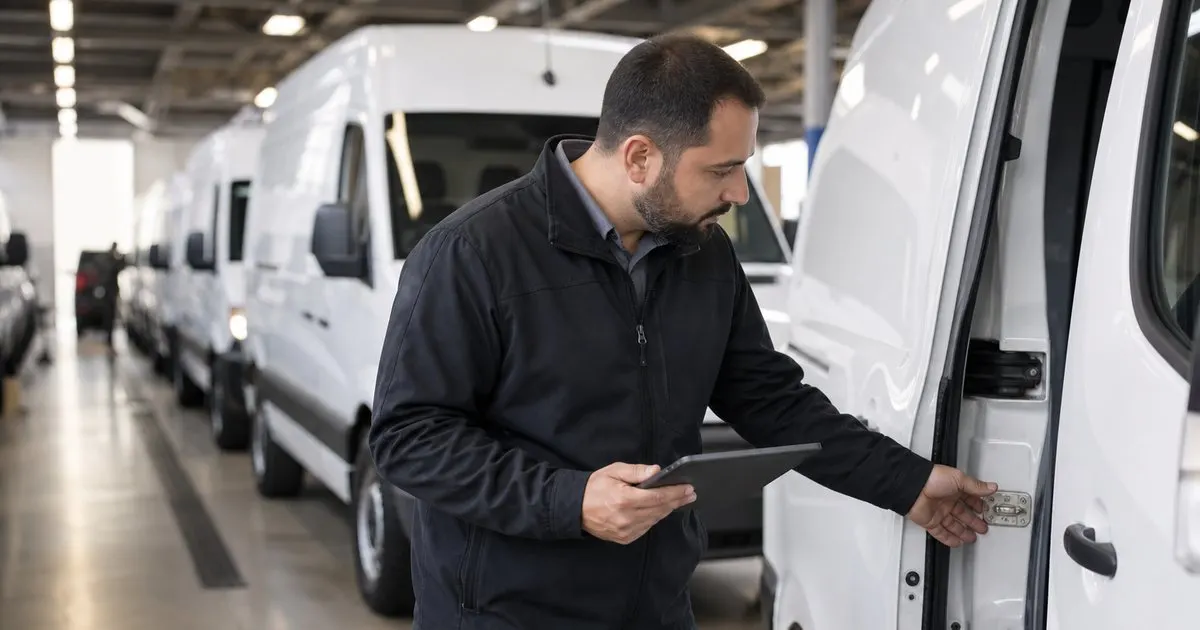
Why recall notices miss fleets in the first place
Manufacturers mail recall notices to the registered owner's address on file. That system works poorly for fleets. Vehicles bought used carry the previous owner's registration until the paperwork catches up, leased vehicles may route notices to the leasing company, a business that moved offices stops receiving mail, and a recall letter arriving with the rest of the day's bulk mail gets treated like junk. With a dozen vehicles across several model years, there may be several open campaigns at once, and some recalls are announced before a fix exists, which means the first letter says a remedy is coming and the second letter, the one that matters, is easy to miss.
The consequence is a fleet with unrepaired safety defects nobody knows about. Beyond the direct risk to drivers and the public, an open recall on a vehicle involved in a crash is a difficult position for the business, and the annual commercial inspection does not check for recalls. Federal law already bars larger rental companies from renting out vehicles with open safety recalls, which is a fair indication of how regulators view the exposure. The practical lesson for a fleet is that it cannot rely on the letter arriving; it has to go and look. Related: Which inspections should a small fleet run before every long haul trip?
Keep reading: How do you schedule preventive maintenance by mileage across a small vehicle fleet?, What is the best way to log service history for every fleet vehicle?, Why does preventive maintenance save more money than waiting for breakdowns?. See how FleetTendr helps you preventive fleet maintenance scheduling and logs.
Keep a VIN list and check it on a fixed rhythm
You already need the VIN for insurance, registration, and parts, so keep a master list in one place. The federal vehicle safety agency provides a free public lookup that takes a VIN and returns any open, unrepaired safety recalls for that specific vehicle, and manufacturers offer the same on their own sites. Check every VIN on a fixed schedule, quarterly works for most small fleets, and check any vehicle the day it joins the fleet, including a used one before you finish paying for it. Tie the check to something that already happens, like the quarterly preventive service or the registration renewal cycle, so it does not depend on someone remembering. Related: How do you schedule preventive maintenance by mileage across a small vehicle fleet?
Ask the dealers you work with whether the manufacturer runs a fleet recall notification program; several do, and enrolling your VINs means notices come to the person who actually schedules repairs. Update the registered address for every vehicle after any move, and when you buy used, re-register promptly so future notices reach you. Also record tire identification numbers at installation, because tire recalls are tracked by that number, not by the vehicle's VIN, and a fleet that does not know which tires are on which truck cannot act on a tire recall at all. Related: What is the best way to log service history for every fleet vehicle?
Log each open recall as a work item, not a note
When a lookup returns an open campaign, enter it against the vehicle the same way you would a reported defect: campaign number, a plain description of the defect, the remedy status, and a severity you assign. Then triage. Anything involving brakes, steering, fuel leaks, airbags, or fire risk gets the vehicle pulled or scheduled immediately, with a decision recorded on whether it is safe to operate in the meantime. Lower-severity campaigns can be bundled with the next dealer visit so the truck is not out of service twice. The record should show who decided what and when.
Call the dealer with the campaign number before you bring the vehicle in, because recall parts are often allocated and a dealer may need to order them, and ask about same-day service or a loaner for fleet customers. When the work is done, log the completion with the dealer's invoice even though it shows no charge. That closed record matters at resale, in a warranty dispute, and if a regulator or insurer ever asks. In FleetTendr an open recall sits in the vehicle's pending work list next to its scheduled services so it cannot quietly disappear, which is really the whole goal of the process. Related: How much downtime does poor preventive maintenance cost a small fleet owner?
Handling the cases that do not fit the routine
Some campaigns show a remedy as not yet available. Set a follow-up reminder every thirty to sixty days for those and ask the manufacturer's customer line about interim guidance; some fire-risk recalls, for example, advise parking outside and away from structures until the fix arrives, and that is worth telling your drivers. Upfitted vehicles are another gap: the body, liftgate, bucket, or shelving may carry its own recall issued by the upfitter, tracked separately from the chassis, so ask your body company how they notify customers and keep their contact in the vehicle record.
Used vehicles deserve a recall check before purchase, and a seller who cannot show that a known campaign was completed has handed you a to-do list. Finally, distinguish safety recalls from technical service bulletins. A bulletin is repair guidance the manufacturer issues to dealers and is not usually free, but it often explains a recurring complaint, and it is worth asking the dealer whether one applies when the same problem keeps showing up on the same model across your fleet.
- Mailed recall notices often never reach fleets because of used purchases, leases, moves, and bulk mail, so the fleet has to look rather than wait.
- Keep a master VIN list, run every VIN through the free federal recall lookup quarterly and at acquisition, and enroll in manufacturer fleet notification where offered.
- Log each open campaign as a pending work item with severity and a triage decision, then close it with the dealer's zero-cost invoice.
- Set follow-ups for campaigns with no remedy yet, track upfitter and tire recalls separately, and check every used vehicle before purchase.

Julien Jimenez
Julien Jimenez is an independent software builder based in Paris. He designs, ships, and operates focused SaaS products for small businesses and independent professionals. Read the full author page.
Service Every Vehicle On Time
Preventive fleet maintenance scheduling and logs. FleetTendr is built to help you put this into practice.
Start free trialMore from the FleetTendr blog
How do you schedule preventive maintenance by mileage across a small vehicle fleet?

What is the best way to log service history for every fleet vehicle?
Why does preventive maintenance save more money than waiting for breakdowns?
Get the FleetTendr playbook
Practical guides on fleet maintenance software, straight to your inbox as we publish them. No spam, unsubscribe any time.