How do you decide between an in-house mechanic and outside repair shops for a small fleet?
The answer is rarely all one or the other. Here is how to run the numbers on your own repair hours, what the paycheck does not include, and where the hybrid model usually lands for fleets your size.
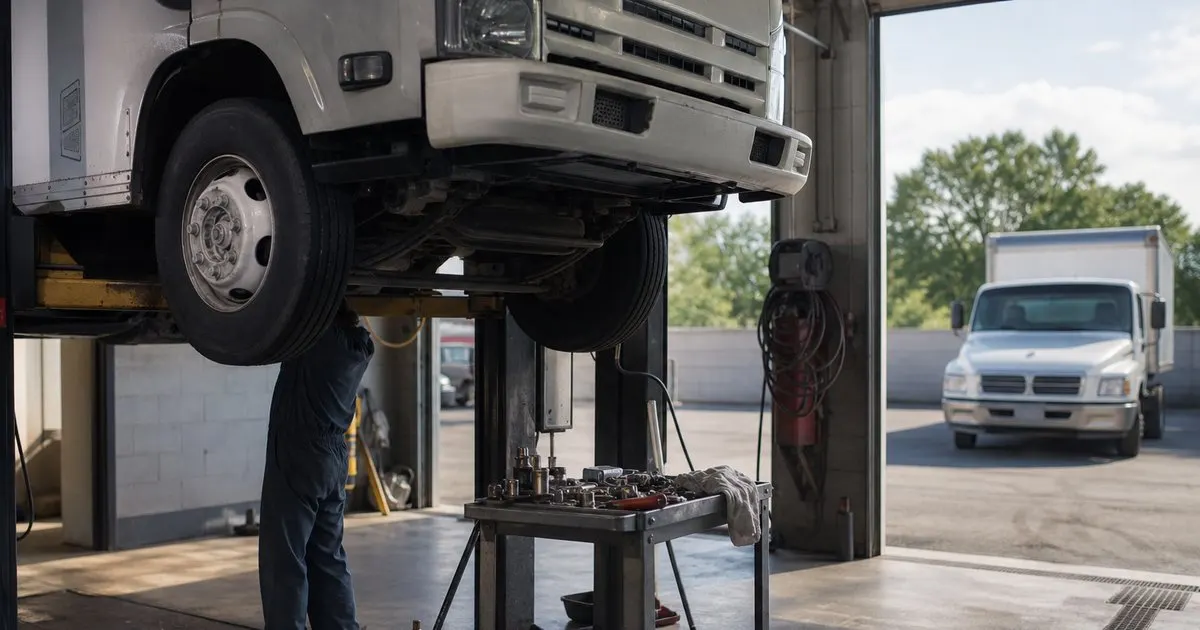
Start with your actual repair hours, not a headcount rule
Pull twelve months of shop invoices and add up the labor hours billed. Most invoices list them, and where they do not, the labor charge divided by the shop's rate gets you close. That number is the workload an in-house technician would inherit. Compare it against what one full-time technician can realistically produce in a year after you subtract parts runs, cleanup, paperwork, training, vacation, and the days there is nothing to do. If your outsourced labor hours are a small fraction of a full-time year, an in-house hire would spend most of the week waiting for something to break, and you would be paying for that.
Then add the hours nobody invoices. Every shop visit involves someone driving the truck there, waiting or arranging a ride back, calling for updates, and picking it up. Multiply that by the number of visits and you often find a second, hidden labor cost that is currently spread across drivers and office staff. Those hours are the strongest argument for bringing at least routine work into the yard, whether through an employee, a part-time technician, or a mobile mechanic who comes to you.
Keep reading: How do you schedule preventive maintenance by mileage across a small vehicle fleet?, What is the best way to log service history for every fleet vehicle?, Why does preventive maintenance save more money than waiting for breakdowns?. See how FleetTendr helps you preventive fleet maintenance scheduling and logs.
What the paycheck does not include
An in-house technician costs wages, payroll taxes, benefits, and workers' compensation, and then everything the shop needs around them: a lift or a pit, a compressor and air tools, a diagnostic scan tool with the software subscriptions to keep it current, fluid handling and waste oil disposal that meets environmental rules, fire and liability coverage for a repair operation, a parts inventory, and bay space that is not being used for something else. Newer vehicles also demand ongoing training, and diesels with aftertreatment systems in particular can require manufacturer-level tools to diagnose properly.
Outside shops carry all of that for you and charge for it through their labor rate and parts markup. What you give up is control over scheduling and priority: your van waits behind their other customers, a two-hour job can mean a two-day absence, and you are relying on their judgment about what is necessary. Some work is better outsourced regardless of fleet size: transmission rebuilds, engine work, emissions system repairs, bodywork, and anything covered by a manufacturer warranty, where the dealer needs to do it for the claim to be paid.
Where the hybrid model usually lands
The pattern that works for many small fleets is to keep preventive maintenance and light repair in-house and send the heavy work out. Oil and filter changes, tire rotation and replacement, brake pads and rotors, bulbs, wipers, batteries, belts, and periodic inspections are predictable, high-frequency, and low-risk. They are also exactly the jobs where shuttling a vehicle across town costs more in lost time than the work itself. Major mechanical, warranty, and specialty work goes to the dealer or a trusted independent shop. Related: How do you schedule preventive maintenance by mileage across a small vehicle fleet?
That in-house capacity does not have to be a full-time employee. A part-time technician who comes two days a week, a retired mechanic on an hourly arrangement, or a mobile service that visits the yard on a set day each week all deliver the same benefit of work happening where the trucks already are. As the fleet grows, watch the billed labor hours and the downtime days. When outsourced hours approach something like a full-time load, or when vehicles are routinely sitting for days waiting on a shop, the case for a dedicated hire has typically made itself. Related: Why does preventive maintenance save more money than waiting for breakdowns?
Whichever way you go, keep one record per vehicle
The maintenance record should not depend on who turned the wrench. Every outside invoice needs to be entered against the vehicle with the odometer, the parts, the labor, and the vendor, and every in-house job needs a work order with the same fields. With that in place you can compare cost per mile by vehicle and by vendor, spot a shop that keeps finding new problems, and see whether in-house work is actually cheaper once the overhead is counted. FleetTendr treats an outside invoice and an in-house work order as the same kind of record for that reason, but any consistent system will do. Related: What is the best way to log service history for every fleet vehicle?
Keep warranty in mind when you do work yourself. Under federal warranty law a manufacturer cannot void coverage simply because someone other than the dealer performed routine maintenance, but you must be able to show the work was done at the right interval with appropriate parts and fluids. That means the in-house work order with date, odometer, and parts used is your warranty evidence. Revisit the whole decision once a year with the numbers in front of you; the right answer at eight vehicles is often wrong at twenty. Related: When should you schedule an oil change based on mileage or time?
- Add up twelve months of billed labor hours plus the unbilled hours spent shuttling vehicles to shops; that workload, not fleet size, is the decision input.
- An in-house technician costs far more than wages once tools, diagnostic subscriptions, waste handling, insurance, space, and training are included.
- Most small fleets land on a hybrid: routine preventive maintenance in the yard, heavy and warranty work at outside shops, often using part-time or mobile technicians.
- Keep identical records for outside and in-house work so cost per mile by vehicle and vendor stays comparable, and revisit the decision yearly.

Julien Jimenez
Julien Jimenez is an independent software builder based in Paris. He designs, ships, and operates focused SaaS products for small businesses and independent professionals. Read the full author page.
Service Every Vehicle On Time
Preventive fleet maintenance scheduling and logs. FleetTendr is built to help you put this into practice.
Start free trialMore from the FleetTendr blog
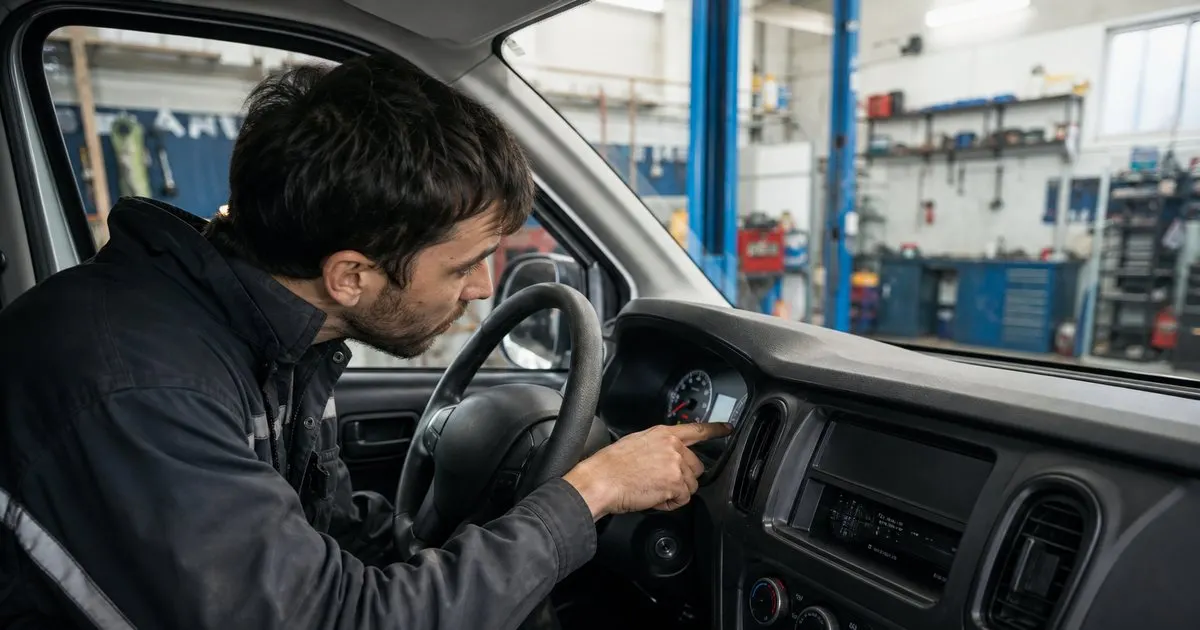
How do you schedule preventive maintenance by mileage across a small vehicle fleet?

What is the best way to log service history for every fleet vehicle?
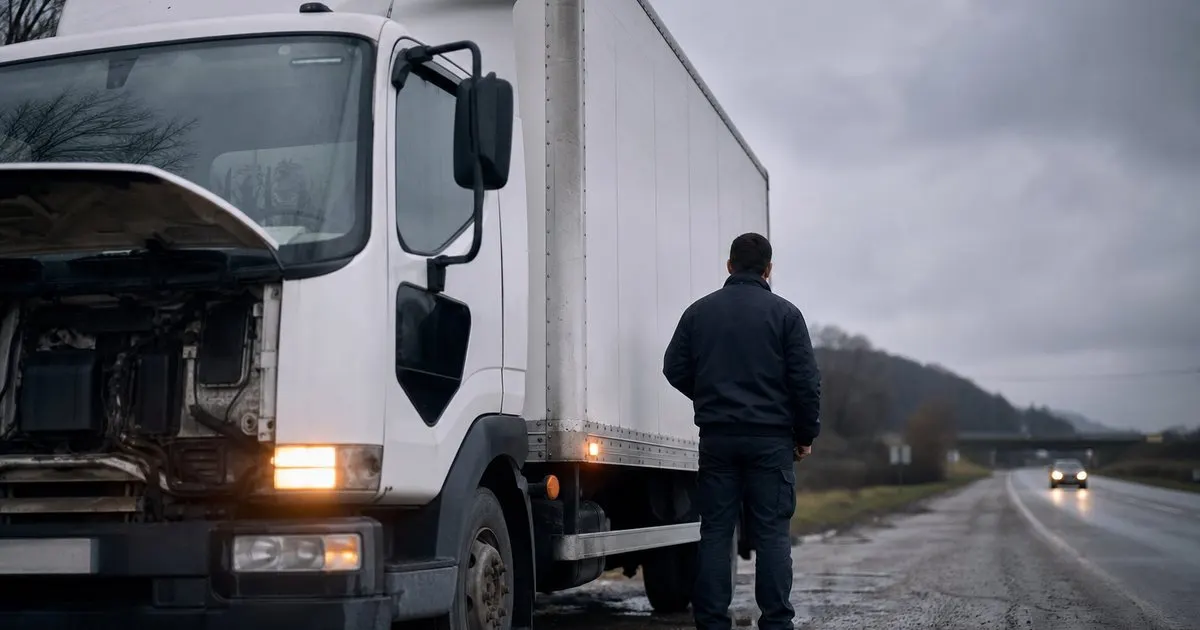
Why does preventive maintenance save more money than waiting for breakdowns?
Get the FleetTendr playbook
Practical guides on fleet maintenance software, straight to your inbox as we publish them. No spam, unsubscribe any time.